
What We Do
Mutual Learning is at the core of the work we do.
Mindset
Your values and assumptions…
Behavior
guide what you do…
Design
and how you design…
Results
which creates results.
The right mindset can create dramatic improvements in performance, working relationships, and well-being for individuals, teams, and organizations.
Change, at any level, is not like flipping a light switch, it does not happen overnight. Integrating Mutual Learning into teams and organizations takes time, in large part because a new culture is being established. But the results can be remarkable.
Culture Change
Create a new shared mindset that guides everything a team or organization does. Without a new shared mindset, you’re not changing culture. Teams and organizations are complex dynamic systems. Creating systemic and sustainable culture change requires ensuring all the elements in the system are congruent with the desired state. We help teams and organizations develop and operate from a shared Mutual Learning mindset. It enables them to think and behave more effectively and to design structures and processes that reinforce the new shared mindset and behaviors. Together, this creates systemic change that culminates in strong results. We jointly design our approach with you to meet your needs and desired results and, most importantly, start where you are.
Creating Systemic Change
Planning and Evaluation
Preparing for change. We start with planning and identifying the current and desired states. What does the organization want to be different? Then we evaluate over time and use data for iterative planning.

Individuals
Working with individuals to develop their mindsets and skill sets to be congruent with Mutual Learning to improve individual results. Developing individuals to serve as internal change agents for organizational change.

Teams
Developing effective teams within or across organizations. Teams develop their shared mindset, behaviors, structures, and processes to purposefully achieve their goals.

Organization
Designing effective organizational systems that support and sustain the vision, mission, strategy, and core values. The organization is poised to sustain the systemic culture change they envisioned.
Workshops & Training
Our workshops integrate theory and practice. With an instructor and a small group, you address your own real-life work examples and receive immediate coaching and feedback. Our training answers two questions for you: 1) Exactly how do I think and what do I say in a particular situation? and 2) What is the theory and research that explains why I should do this? By the end of the workshop, you have simulated a Mutual Learning environment, practiced your new mindset and skillset working collaboratively with others on your group members’ real work issues, and are ready to begin applying it with your team and organization.

Team Effectiveness
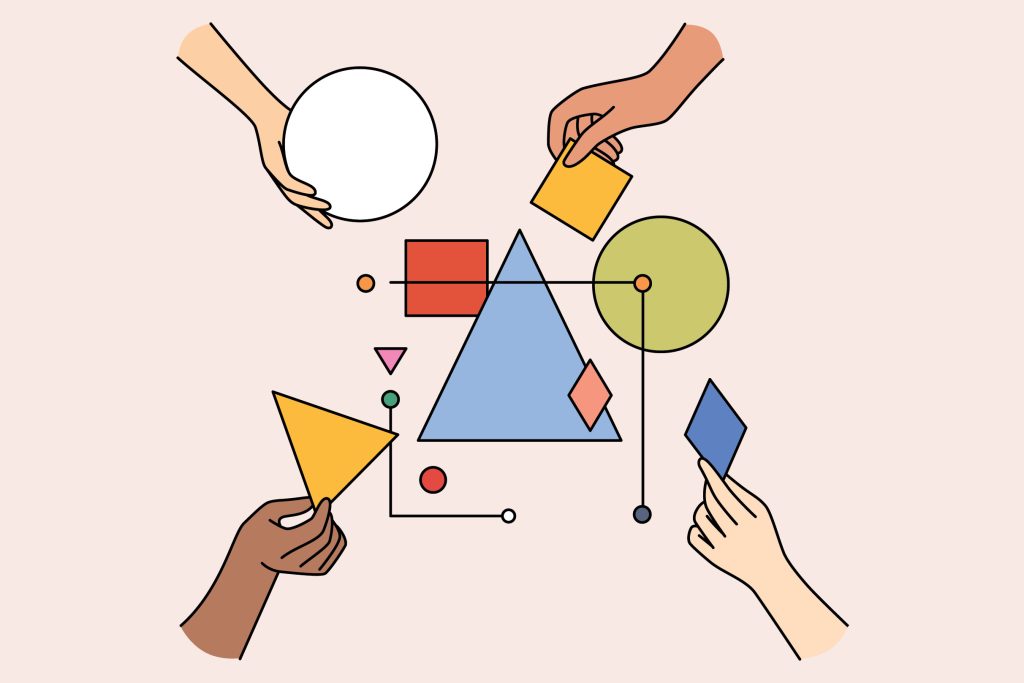
We help teams and organizations achieve strong productivity, build healthy working relationships, and experience individual well-being. We guide them in establishing a shared mindset and building the skills needed to design their teams purposefully. Intentional and thoughtful establishment provides teams with a sturdy framework that enables them to achieve their goals by asking the right questions, testing assumptions, and instituting accountability. This is done while building trust and integrating psychological safety that is self-reinforcing.
